February 23, 2026
Rust is more than just an unsightly blemish on your automobile; it is a problem that can lead to severe structural damage and significant repair costs. Understanding the detrimental effects of rust is crucial for vehicle owners who wish to maintain their cars in peak condition and save money in the long run. This article explores the real impact of rust on automobiles, highlights cost-effective prevention strategies, and underscores the importance of regular vehicle maintenance.
1. Understanding Rust: The Silent Enemy of Automobiles
1.1 The Chemistry Behind Rust Formation
Rust formation, scientifically known as oxidation, occurs when iron reacts with oxygen in the presence of moisture. This chemical reaction produces iron oxide, a compound that weakens the metal's structural integrity. In automobiles, rust can develop on any metal surface, leading to deterioration over time. The process is accelerated in environments with high humidity, road salt, and frequent exposure to water. Understanding the chemistry behind rust is the first step in developing effective preventive measures.
1.2 Common Areas Prone to Rust in Vehicles
Vehicles have several areas that are particularly susceptible to rust. These include the undercarriage, wheel wells, and around the doors and trunk. The undercarriage is frequently exposed to road salt and water, especially in colder climates, making it a prime candidate for rust formation. Similarly, wheel wells collect moisture, making them vulnerable to rusting. Awareness of these areas helps in focusing rust prevention efforts more effectively.
1.3 Initial Signs of Rust and Their Implications
The initial signs of rust are often subtle and can be easily overlooked. They include small patches of discoloration, bubbling paint, and surface blemishes. While these may appear to be minor issues initially, they can quickly escalate if left untreated. Early detection and intervention are crucial to preventing extensive rust damage. Vehicle owners should conduct regular inspections to catch these warning signs early.
1.4 Long-term Effects of Untreated Rust on Vehicles
Untreated rust can lead to severe consequences for a vehicle's safety and functionality. Over time, rust can cause metal parts to weaken and fail, compromising the vehicle's structural integrity. This can result in costly repairs and potentially dangerous situations on the road. Furthermore, advanced rust damage can result in the need for major replacements, such as entire panels or frames. Consequently, ignoring rust can turn minor maintenance costs into significant financial burdens.
1.5 The Economic Impact of Rust-Induced Damage
The economic implications of rust damage are substantial for both individual car owners and the industry as a whole. According to AAA Newsroom, car rust is a significant issue in the US, costing motorists an estimated $3 billion annually, with a 5-year total of $15.4 billion. This highlights the widespread nature of the problem and the financial incentives to address rust proactively. Preventing rust can lead to significant savings on auto repairs and maintenance over the life of a vehicle.
2. Cost-Benefit Analysis: Rust Prevention vs. Rust Repair
2.1 Financial Costs of Rust Repair
Repairing rust damage can be prohibitively expensive, especially if it has progressed beyond the superficial stage. Repairs often involve sanding, priming, repainting, and sometimes replacing entire sections of metal. The cost of labor, combined with the price of materials, can add up quickly. Moreover, the downtime required for repairs can be inconvenient, potentially affecting a vehicle owner's schedule and productivity. Therefore, understanding the financial burden of rust repair is crucial for appreciating the benefits of prevention.
2.2 Investment in Prevention: Products and Practices
Investing in rust prevention is a cost-effective strategy compared to repairing extensive rust damage. Products such as rust-proofing sprays, undercoat protectants, and sealants can be applied at relatively low costs. Regular maintenance practices, like washing the undercarriage and applying protective wax, are also critical preventive measures. These investments are minor compared to the potential repair costs they can avert. Overall, a commitment to prevention pays off significantly in the long term.
2.3 Case Studies: Savings from Timely Rust Prevention
Numerous case studies illustrate the financial savings from timely rust prevention efforts. Vehicle owners who have implemented consistent rust prevention measures report extending the lifespan of their vehicles and reducing maintenance costs. In some cases, these preventive strategies have delayed the need for significant repairs by several years. Such examples underscore the importance of proactive rust prevention in minimizing overall vehicle expenses. They also serve as a testament to the efficacy of these strategies in real-world settings.
2.4 Long-term Vehicle Value Retention
Rust prevention plays a crucial role in retaining a vehicle's long-term value. A well-maintained car with minimal rust damage commands a higher resale price compared to one with visible rust issues. Prospective buyers are less likely to negotiate lower prices when they encounter a car free of rust. Consequently, sellers benefit financially from the effort invested in rust prevention over the vehicle's lifetime. The return on investment in rust prevention is reflected in the car's market value and owner satisfaction.
2.5 Insurance Considerations
Insurance policies may take rust into consideration when assessing vehicle condition and coverage. Some insurers may decrease coverage or increase premiums for vehicles at high risk of rust damage. Conversely, a consistent record of rust prevention can demonstrate responsible ownership, potentially leading to favorable insurance terms. Vehicle owners should review policies and consider discussing rust prevention efforts with their insurance providers. Doing so may provide leverage in negotiating better coverage options.
3. Effective Rust Prevention Strategies
3.1 Regular Cleaning and Maintenance
Regular cleaning and maintenance are central to preventing rust formation. Washing a vehicle, especially the undercarriage, removes salt, dirt, and moisture that contribute to rust development. Maintaining a regular cleaning schedule is particularly crucial in regions with harsh winters or near coastal areas where salt exposure is high. Additionally, periodic inspections for rust-prone areas can help identify and address minor issues before they progress. A consistent cleaning routine effectively supports other prevention strategies.
3.2 Rust Proofing Techniques: Pros and Cons
Rust proofing is a popular protection method for vehicles. Options such as electronic rust prevention and oil-based sprays offer different advantages and limitations. Electronic methods use electric current to inhibit oxidation, while oil-based sprays create a protective barrier over metal surfaces. Each technique has its pros and cons, such as cost, application complexity, and longevity. Vehicle owners should evaluate these factors to choose the most appropriate rust-proofing method for their needs.
3.3 Undercoating vs. Paint Protection
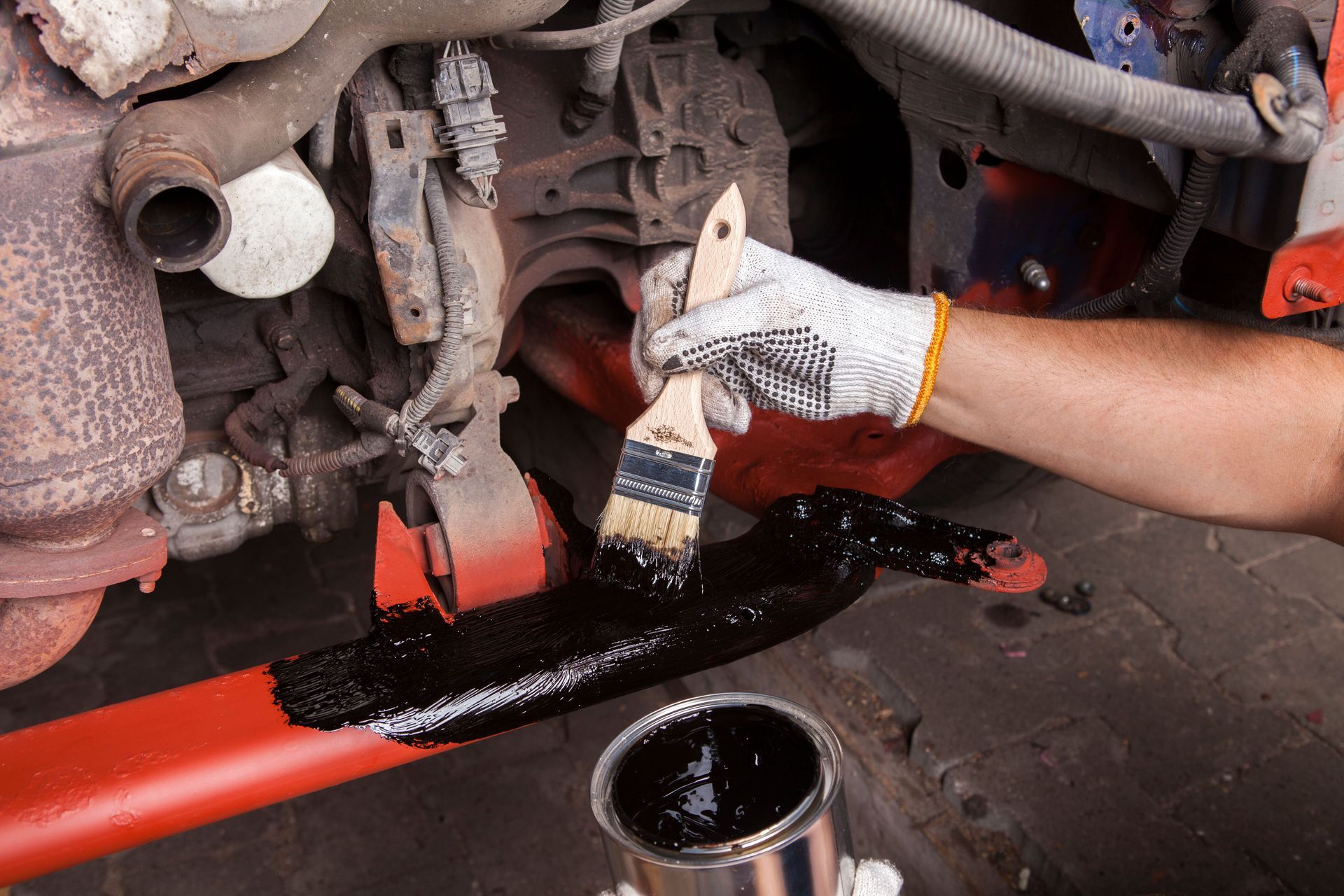
Undercoating and paint protection are two essential aspects of rust prevention that serve different purposes. Undercoating involves applying a protective layer over the vehicle's undercarriage to shield it from moisture and debris. Paint protection focuses on preserving the vehicle's exterior finish by preventing scratches and chips that can lead to rust. Both methods are vital for comprehensive rust prevention and complement each other effectively. Vehicle owners should prioritize both strategies for optimal results.
3.4 Protective Coatings and Sealants
Protective coatings and sealants offer an additional layer of defense against rust. These products form a barrier that prevents moisture from reaching the metal surfaces of a vehicle. New technologies in coatings ensure longer-lasting and more effective protection, surpassing traditional methods. Regular reapplication of these products is crucial to maintaining their protective benefits. By using high-quality sealants, vehicle owners can significantly reduce the risk of rust-related damage.
3.5 Seasonal Rust Prevention Tips
Seasonal factors influence rust formation, requiring tailored prevention strategies throughout the year. In winter, road salt is a primary concern that accelerates rusting, necessitating increased undercarriage washes. During summer, intense sunlight and heat can cause paint to crack, which should be mitigated by regular waxing and covering exposed areas. Adapting rust prevention practices to address these seasonal challenges ensures year-round protection. Such seasonal tips are an integral part of an overarching rust prevention strategy.
Rust prevention is a crucial aspect of vehicle maintenance that offers immense benefits for car owners. Proactive rust prevention measures extend vehicle longevity, maintain aesthetic and functional value, and achieve substantial financial savings over time. By understanding rust's impact and implementing effective prevention strategies, vehicle owners can protect their investments and enjoy peace of mind. Embracing both traditional methods and modern technologies creates a robust defense against this pervasive automotive issue. Reach out to New England Auto Undercoating today to see what we can do for you!